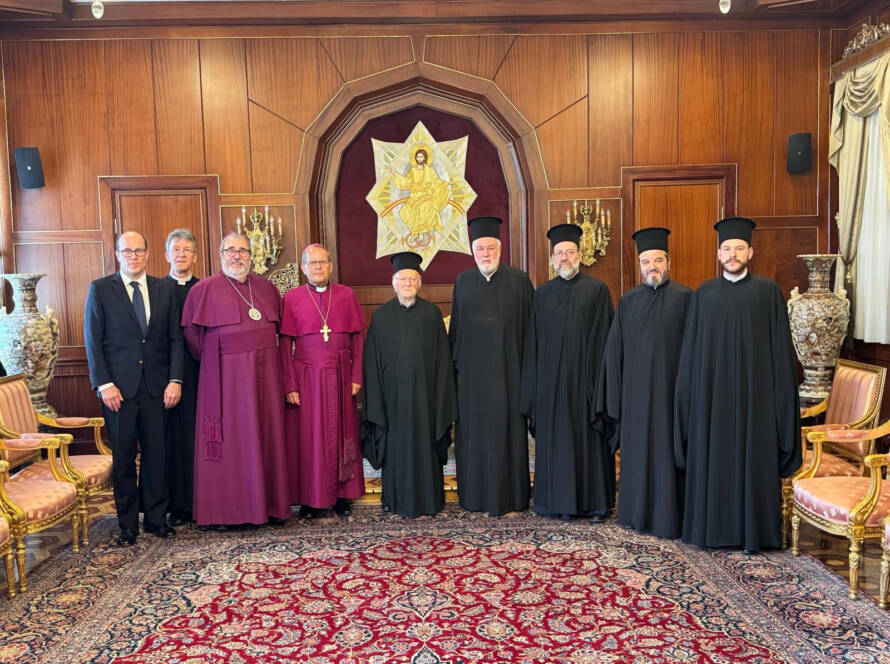
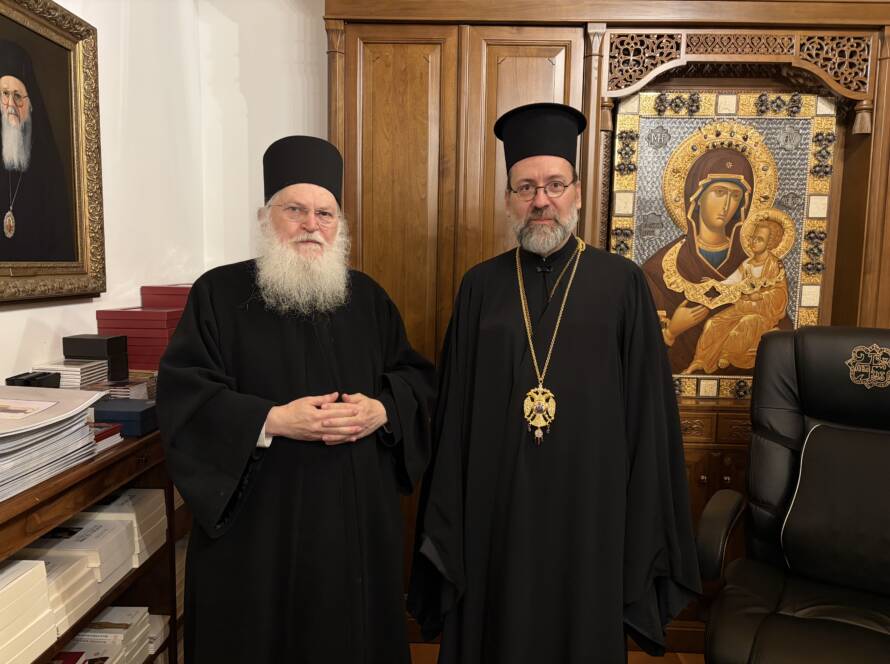
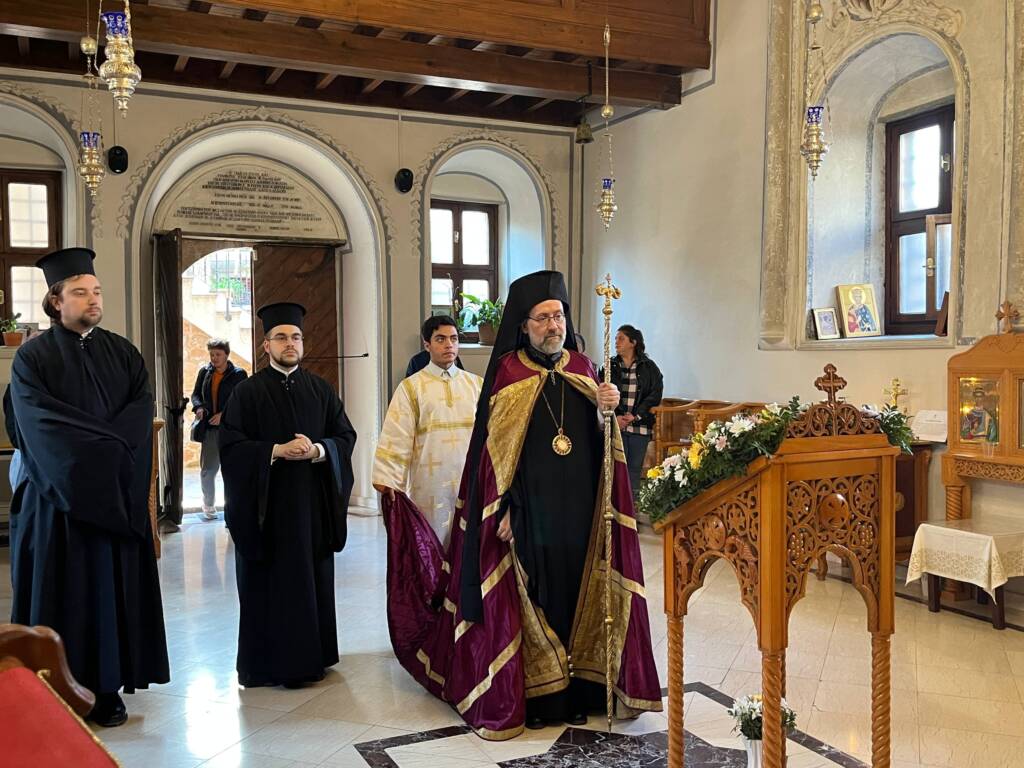
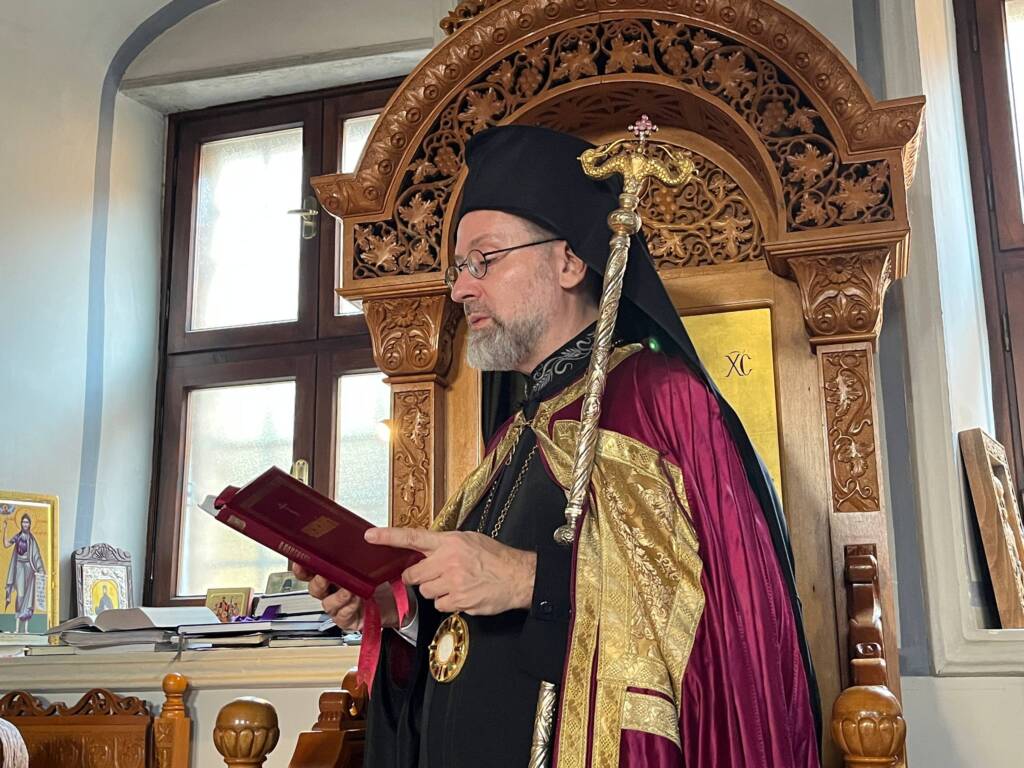
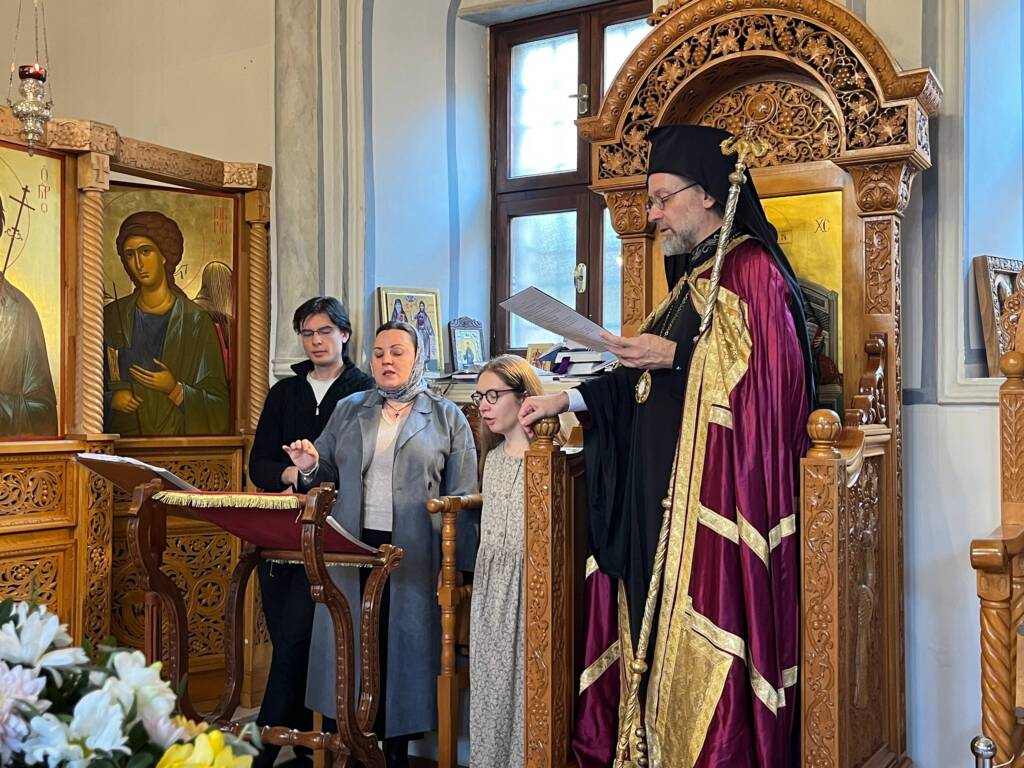
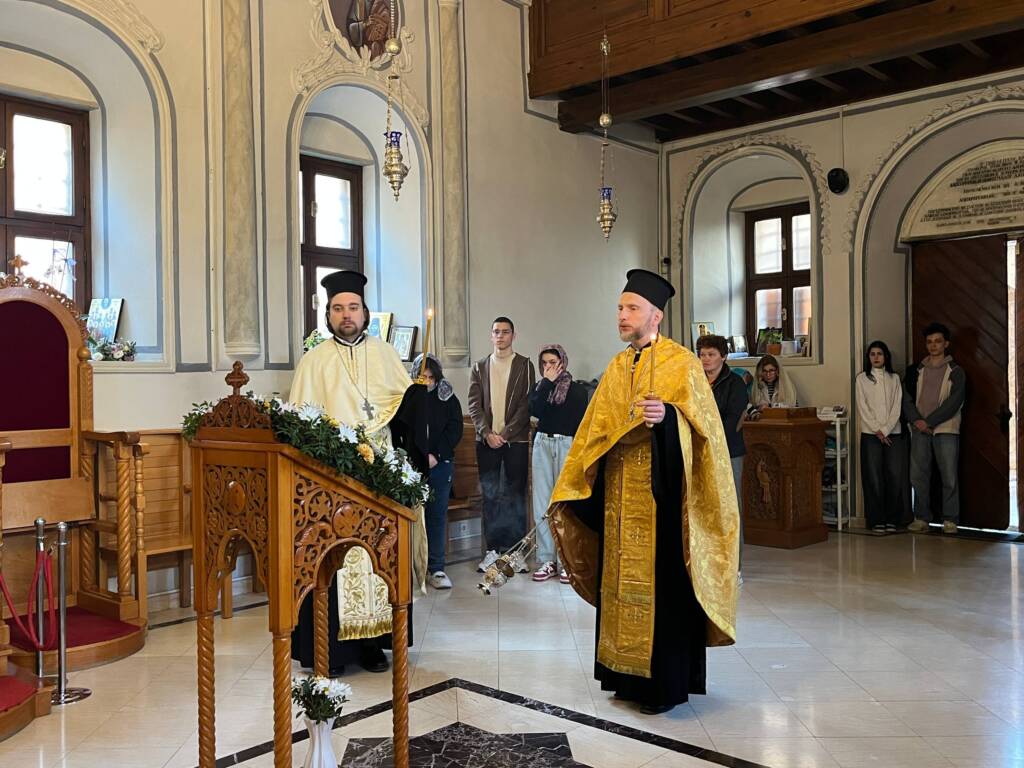
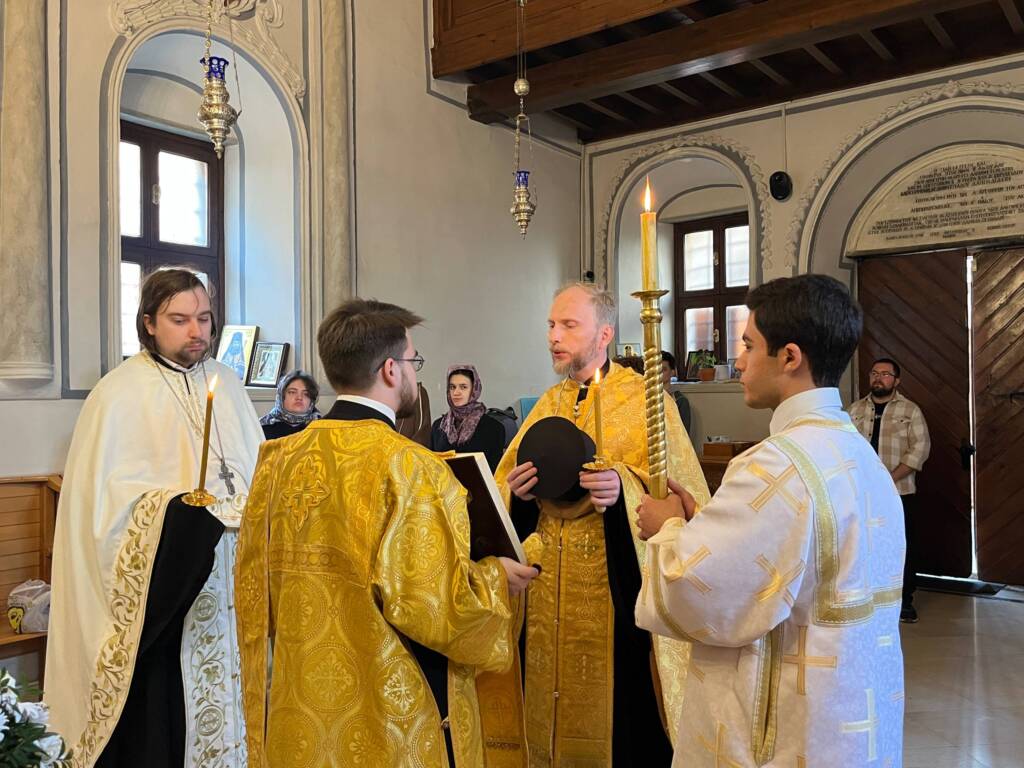
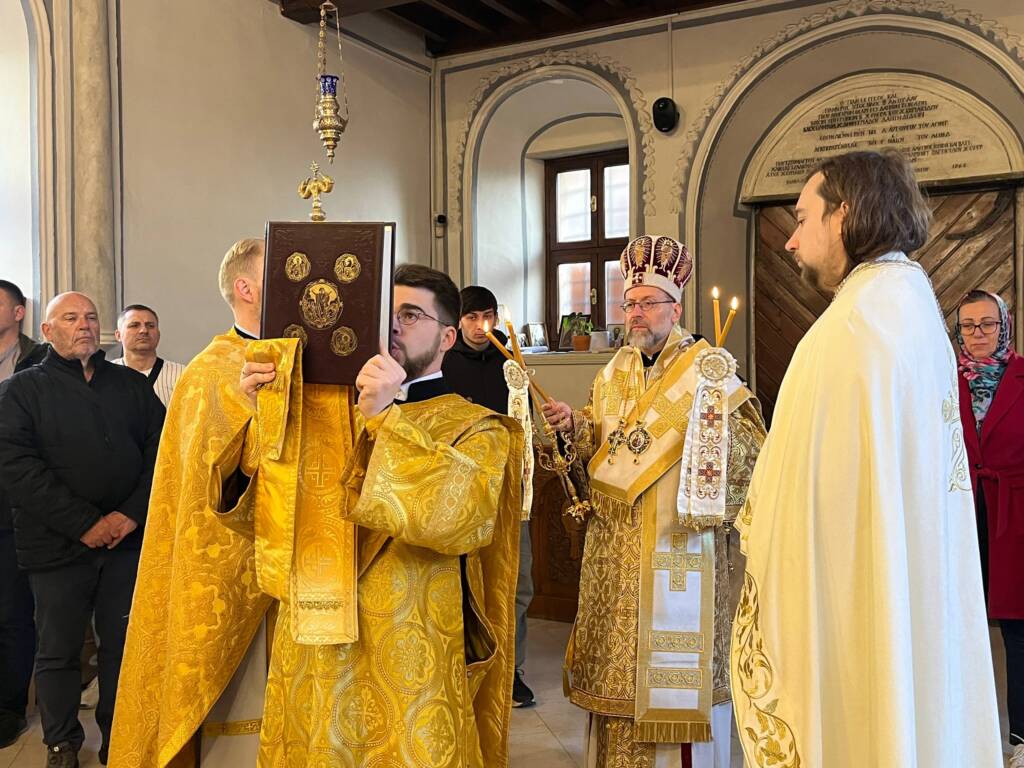
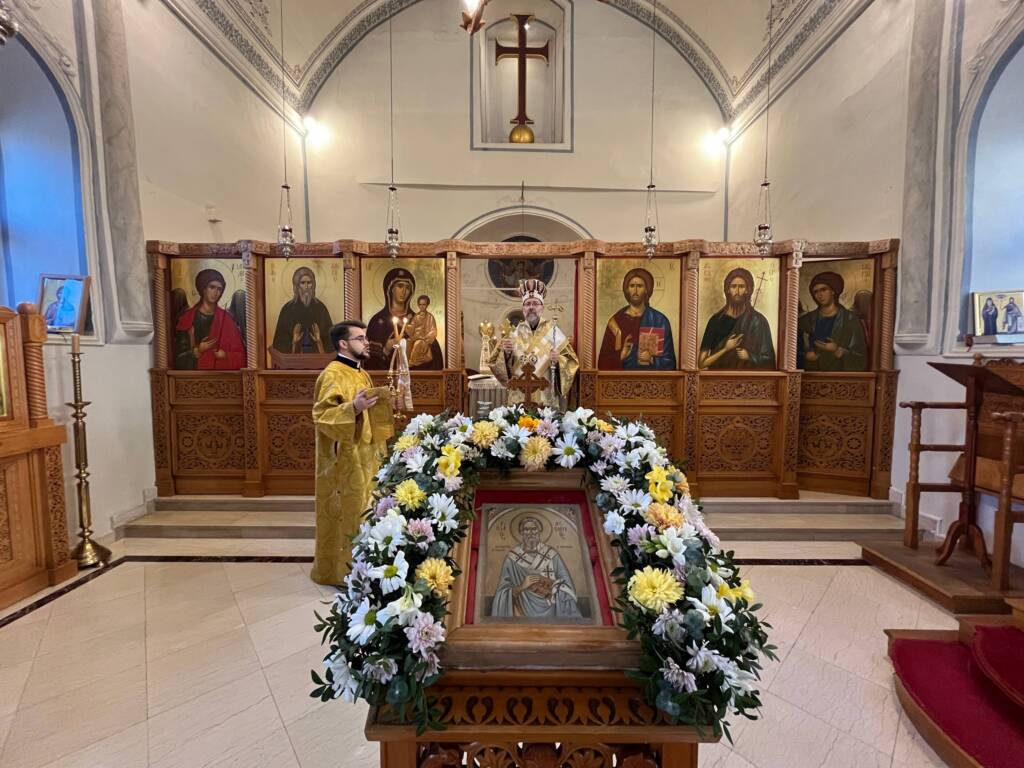
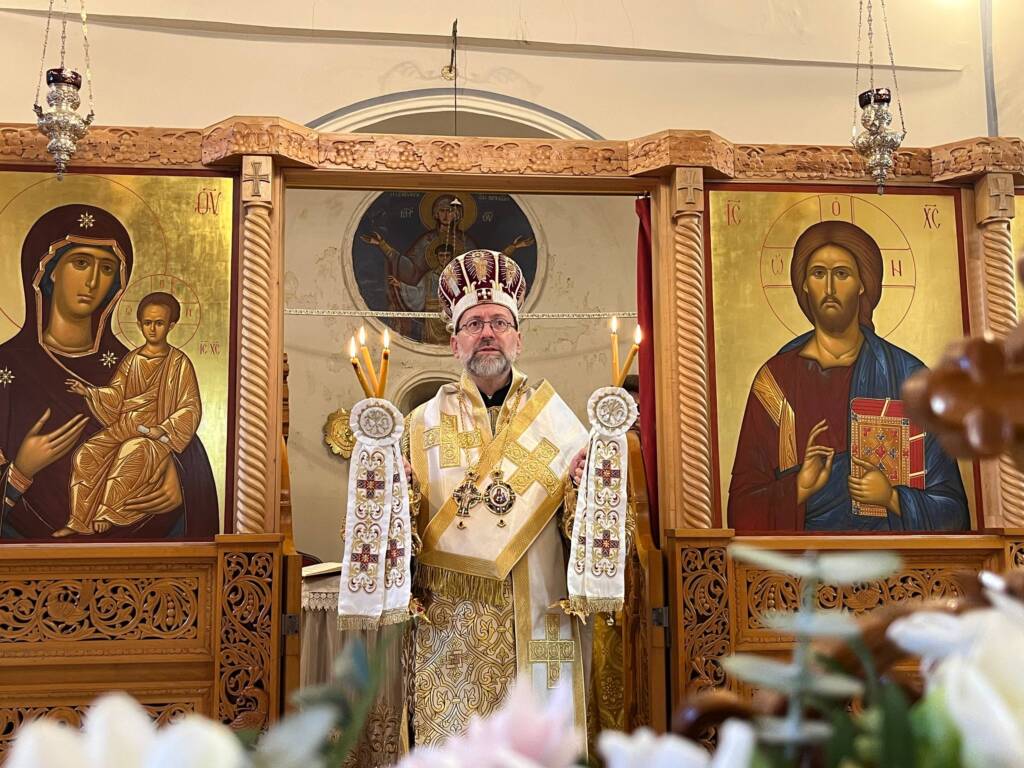
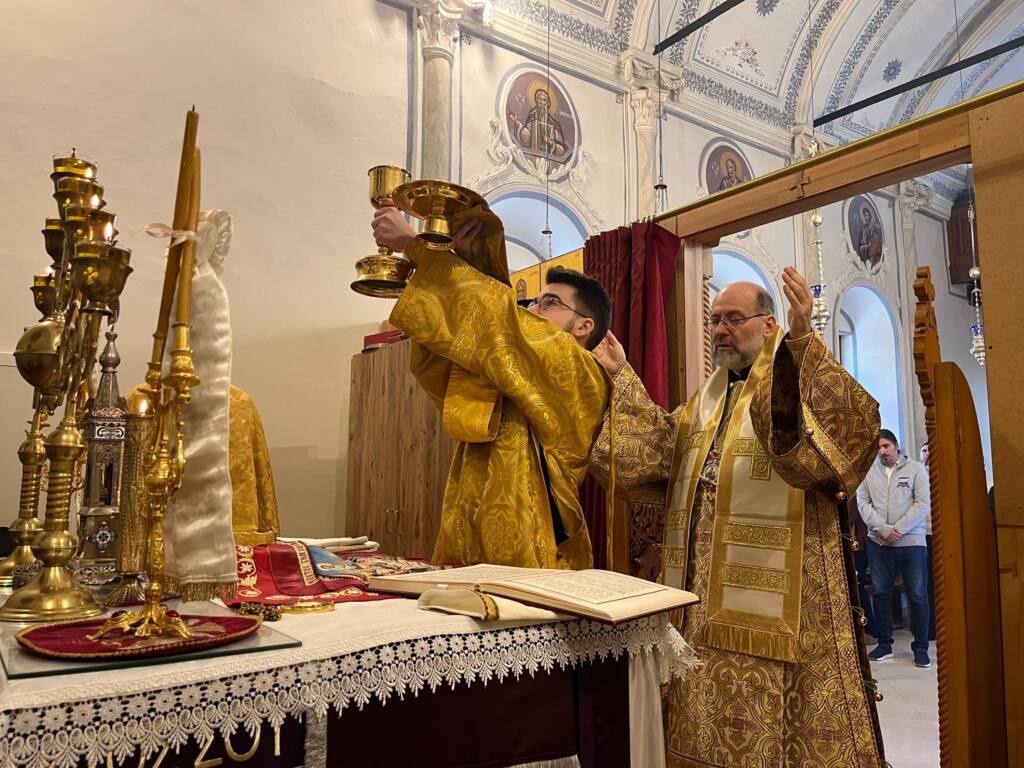
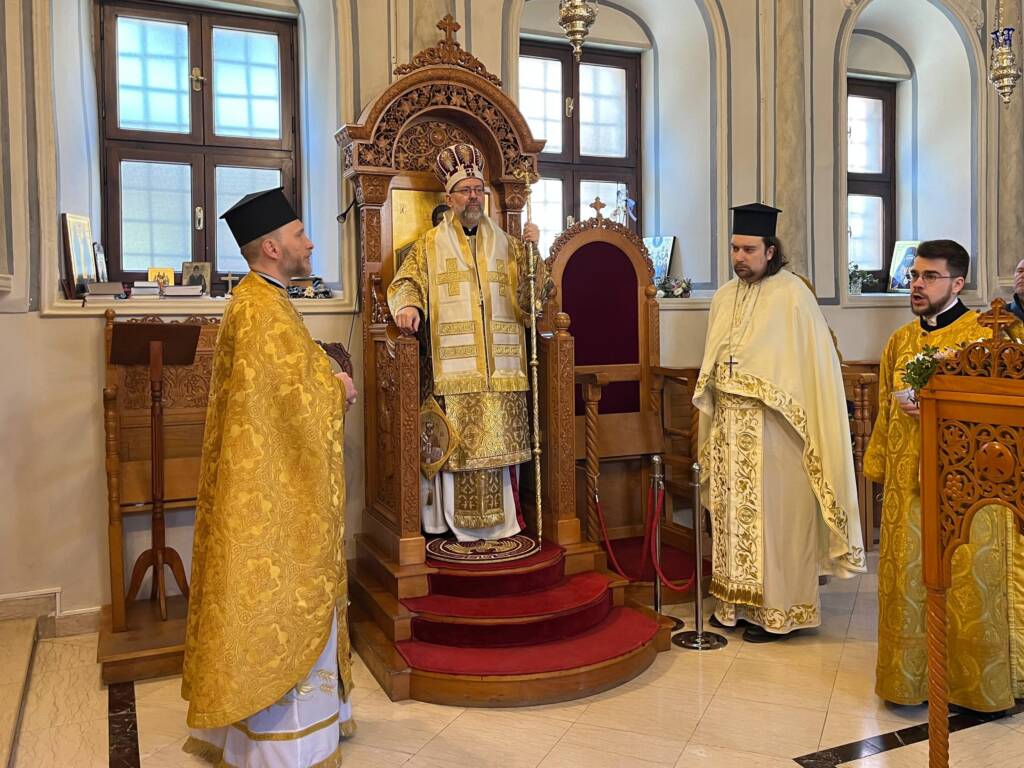
On Saturday, March 7, 2026, according to the old calendar, the memory of Saint Leontios the Myrrhbearer of Antalya, was solemnly celebrated at the church of Saint Alypios in Antalya. The liturgical services were presided over by the local bishop, His Eminence Metropolitan Job of Pisidia.
The liturgical service in honor of Saint Leontios of Antalya was likely composed by Seraphim Kykkotis, the Attaliates, Metropolitan of Ancyra in the 18th century. A church dedicated to Saint Leontios once existed in Antalya, but it was destroyed in the great fire of 1895. A chapel was then dedicated to him on the ground floor of the Antalya Girls’ School, where the holy relics of the saint, which secreted myrrh, were kept until the population exchange. Furthermore, the ruins of a 9th-century monastery, abandoned in the 13th century, have been discovered in the mountains near Lake Doyran, 15 km from Antalya, undoubtedly the place where the saint carried out his ascetic practice. May he protect us and intercede for us!
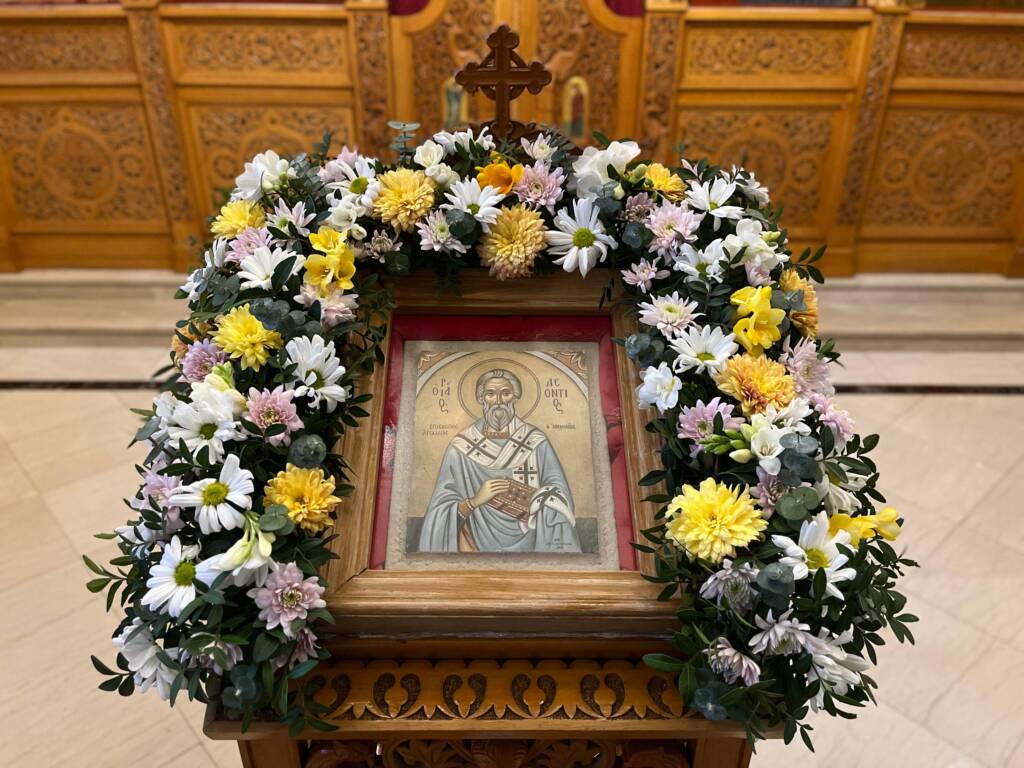
Life of our Venerable and God Bearer Father Leontios the Myrrhbearer, who carried out ascetic practice on Mount Kontobakion in the Antalya region
Originally from Athens, in the 9th century, our Father Leontios was entrusted at a young age by his parents to his grandfather, who had built a church dedicated to the Holy Archangel Michael. It was there that the boy spent all his time, learning the holy books and the Church’s offices by heart. When he reached the age of twenty, he was adopted by the local lord, who had noticed his virtues and had him ordained a priest, despite his reluctance. Shortly afterward, Leontios abruptly renounced his parents, his possessions, and the promising future that had been prepared for him, to take up the Cross. He devoted himself entirely to a renowned ascetic, Nicholas, who lived in the region of Athens. After being clothed in the holy angelic habit and instructed for a year in the principles of monastic life, he took leave of his spiritual father to go on a pilgrimage to the Holy Land with one of the brothers named Clement. As he gave him his blessing, Nicholas said to him: “Know, my son, that the Holy Spirit has chosen you to be the pastor of the city of Antalya.”
Once in Palestine, after venerating the Holy Places, the two young monks went to the monastery of Saint Theodosius the Cenobiarch and placed themselves under the guidance of a venerable ascetic named Barnabas, who had attained the pinnacle of virtue. When Leontios went one day to the Mount of Olives with Barnabas, he saw, like a second prophet Isaiah, the Lord seated on his throne of glory, surrounded by myriads of angels who sang: “Save, O Lord, your people and bless your inheritance…” In Bethlehem, he repeatedly beheld the bright star that shone above the cave and, as a result of these visions, obtained the power to perform miracles and cast out demons.
Forced to leave Palestine, which was oppressed by barbarians, Leontios embarked on the road to exile with his spiritual father and three other companions. After a long and arduous journey, they arrived in Antalya, whose inhabitants lived immorally, like wild beasts, without fear of God in their hearts. But from the day the holy monk began to preach repentance, supporting his words with striking miracles, the people of the region began to change their way of life, and all those who were not Christians were soon baptized by the saint.
After completing this missionary work, Saint Leontios withdrew to Mount Kontobakion, which was not far from the city. From this arid place, exposed to the harshness of winter and the scorching sun of summer, he made a center of attraction for all those seeking God. His disciples became so numerous that he had to build seven churches, many cells, and large guesthouses to accommodate the pilgrims. The saint provided his disciples with everything they needed for their sustenance and was in all things their master, their counselor, and their father. In accordance with the prophecy of Nicholas, he became for the entire region the living image of our Lord Jesus Christ. Through his prayer alone, he saved the city of Antalya from flooding, repelled invaders, rescued ships in distress, and healed many sick people. He fell asleep in peace on 22 February and, after his death, continued to spread divine mercy through the holy myrrh that flowed from his relics, thus bearing witness that he had acquired God’s favor for eternity.